

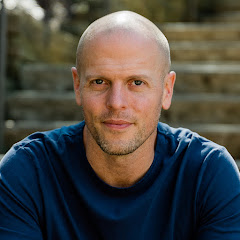
 Tim Ferriss
The Random Show — AI Super Assistants, Dream Engineering, Wizards, Supplements, and More!
Tim Ferriss
AI Assistants Shift 0:00
The talk opens on a recent change in AI. The useful move is no longer a chat box for quick answers. It is an assistant that watches what you do, learns from your replies, and steps in on its own. One example is Instinct, which works through iMessage and a phone number instead of a separate app. It can flag a missed DocuSign, remind you about a prescription before a flight, change flights, and help with hard reservations by using saved logins and calendar access.
Commerce Moves Into AI 9:01
The same shift is expected to change shopping and software. Amazon is seen as protecting ads and sponsored placement, while Shopify is welcoming agents. The idea is that you will ask your AI for towels, a refill, or a service, and it will choose and buy for you. Apps like DaVinci Resolve, Photoshop, and CAD tools may fade into the background if they can be driven through AI instead of opened directly.
AI agents on the phone 14:01
AI assistants are framed as something you will talk to in ordinary life. You might ask one to compare delivery times or prices, and you might call it directly on the phone to handle simple tasks. The speaker says this is already possible with chat apps, including one that gives your bot a phone number, and that you can use it for things like moving plans or following up on email without spending AI credits.
Beta alanine for climbing 16:31
The conversation turns to beta alanine, a dietary supplement the speaker has used before and has taken up again while training for rock climbing. He cites a small study with 15 elite climbers that found better endurance after four grams a day for four weeks, especially on longer traverses of about one to two minutes. He says the effect seemed to show up after about two to three weeks, and that he has noticed a similar shift in his own climbing while also doing other training and taking collagen with vitamin C.
Managing side effects 22:01
The supplement is not easy to take because the dose is large and it can cause tingling in the body, called paresthesia. He uses a sustained-release version to reduce that effect. He also warns that common psyllium husk fiber products can contain heavy metals and other contaminants, so he prefers brands with testing results. The same caution comes up with creatine: it helps some goals, but too much can cause stomach trouble, cramps, or problems when combined with coffee, MCT oil, and travel.
Delayed-release creatine 26:31
He then describes a delayed-release creatine product built from tiny beads inside the capsule. He says the technology is real and the formulation is the first one he has been able to tolerate without upsetting his stomach. The main advantage, for him, is being able to take several pills at once while traveling or on the go, instead of having to sip powders slowly.
Nuts and fertility 27:30
The talk shifts to sperm quality and nuts. He jokes about the double meaning, then says he has long been interested in Brazil nuts and selenium, and in nut butters that seem to be made with better texture and less oil separation. He has recently been eating walnut butter, partly because he wants to protect fertility as he gets older and thinks that optimizing for fertility tends to improve other health habits too.
Walnuts and sperm quality 29:30
Walnuts come up first through a study of 117 healthy men aged 21 to 35. Men who added 75 grams of walnuts a day, about six cups of chopped walnuts or two and a half handfuls, showed better sperm vitality, motility, and morphology. A later meta analysis in 2024 pointed the same way. At 60 grams a day or more, nuts improved motility, vitality, and morphology, though not sperm concentration.
Minerals and protein 31:02
The talk then turns to micronutrients and how much the source of your food matters. Brazil nuts are described as a way to raise selenium, and the speaker says friends with testosterone issues felt much better after eating about three Brazil nuts a day. From there the focus shifts to protein drinks, especially A2 protein, which is presented as the old form of cow protein and as easier on the stomach. A low-ingredient drink with 160 calories, 30 grams of protein, and only two grams of sugar is praised as a simple morning option.
Training and dream work 39:30
The final stretch moves from gym nutrition to training habits and sleep. Muscle milk, almonds, and zero-calorie energy drinks are described as road-safe fuel for long practice days when only gas stations or convenience stores may be available. The conversation then shifts to dream engineering and lucid dreaming, where you can learn to know you are dreaming and sometimes change the dream itself. That leads into a startup called Dust, aimed at helping people alter dream content for problems like PTSD, and into a discussion of brain stimulation and a one-day treatment protocol from Ampa Health that uses a small dose of descloer to boost plasticity and ease severe OCD and anxiety.
Dream shaping methods 48:02
The talk turns to dream engineering during anesthesia. A five-step protocol is laid out: tell the patient they may dream, use propofol as they come out, monitor brain activity with EEG, keep at least 10 minutes of quiet emergence, and then ask about recall. The point is to guide a person toward a better dream while they are waking.
Sleep drugs and tools 50:03
The speaker says some people with complex PTSD have gone from severe symptoms to none after these guided dreams, with benefits still present 10 months later. That leads into a wider point that dream work may offer a path for people who cannot take psychedelics. The conversation then shifts to sleep aids, including the Claria hypnosis app and the DORA class of drugs, described as dual orexin receptor antagonists. These are presented as a safer sleep option, with early evidence suggesting possible value for people worried about Alzheimer’s risk.
Herbal fixes and breathing 56:30
The final stretch turns to quick product talk. Plum Flower curing pills are described as a cheap traditional Chinese remedy that helps with bloating and with the feeling that you may be coming down with food poisoning. The last item is a breathing trainer with two resistance knobs for inhale and exhale. It is meant to strengthen respiratory muscles, and the speaker notes reports of a 30% rise in lung capacity after eight weeks, along with claims of help for lower back pain.
Breathing gear and training 59:31
The talk begins with a breathing device and the trouble of getting the app to work well. One of them says the Bluetooth model has been finicky, and the app should be simpler for people who already bought the device. They mention using ChatGPT or Claude to find a Bluetooth-free way to train with it, and describe a workaround of wearing it during a treadmill incline workout with a weighted backpack.
Eye scans and new treatments 1:00:01
The conversation turns to a spot found at the back of the eye and the need to keep checking it with retinal imaging. That leads into a study on contact lenses that deliver mild electrical signals through the retina. The claim is that these lenses reduced signs of depression in mice as well as Prozac did, which raises the wider idea that electricity may do more in medicine than pills do, even if many commercial devices are not yet credible.
Drugs, pain, and limits 1:03:32
They then talk about how little is known about some common drugs and procedures. Anesthesia is called strange because it works, yet no one fully knows why, and some anesthetics may act more through physics or bioelectric effects than simple chemistry. The same uncertainty comes up with erectile dysfunction drugs, which can cause flushing and severe lower back pain in some people. Even when a drug helps, the side effects can make it hard to enjoy the result.
AI and writing temptation 1:07:31
The discussion shifts to AI and the urge to hand over too much work. One of them says AI is useful for version control and for comparing edits, but dangerous if you let it write for you, because the skill you want to keep can get away from you. They also describe a new AI harness for writers, a layer that sits on top of Claude or ChatGPT and can push it so far that it feels like it could write the book for you.
Books and renewal 1:10:30
The final stretch is about books, reputation, and why long-form writing still matters. They argue that ideas are easier to copy now, so lived experience may be more defensible than pure concept. A long-form essay and speech called Personal Renewal by John Gardner is recommended as a source of steady learning, and the closing example is Cervantes, who wrote Don Quixote in prison at 53 after years of hardship.
Skincare and camera face 1:14:00
The talk turns to makeup, skin redness, and what helps on camera. One speaker says he does not wear makeup, even on television, though the crew sometimes wants to powder or oil his head. He describes buying a green Dr. Jart product for rosacea because red and green cancel each other out. He also says it is matte, has SPF, and helps calm the look of red cheeks.
Books and strange genres 1:18:00
He then shifts to things he has been reading and watching. He praises The Dark Wizard, a four-part series about Dean Potter, whose climbing, slacklining, highlining, and freebasing are shown through archive footage and journal pages. He also recommends Studs Terkel’s Hard Times, which gives short, vivid accounts of the Great Depression. After that he talks about trying A Court of Thorns and Roses, a fantasy romance he calls surprising and very well liked, and he notes that 50 Shades began as fan fiction before becoming its own franchise.
Book clarity and timing 1:29:00
The talk turns to the same rule for talks, books, and products: too much information makes them fail. A good idea has to fit in one simple image or one crowded-bar line, even while still standing out from the rest. That is why the speaker keeps cutting features and why a new book on saying no has taken so long.
Publishing and AI balance 1:33:00
The book is planned for the next eight weeks, and the speaker is leaning toward Author’s Equity for publishing. Print still matters because a physical book can force single-tasking, while digital devices pull attention everywhere. The book is meant to be worked through, not just read, and the aim is for five hours of effort to save far more time later.
Formats, edits, and cuts 1:36:00
Getting a finished physical book out the usual way can take about a year, though a crash schedule can move faster. Print-on-demand is quicker, but a single limited run could make the book more collectible. The manuscript has already been cut from 870 pages to about 350, and the remaining material has all been rated highly by test readers and proofreaders.
Newsletters and AI restraint 1:39:31
The conversation ends with newsletter plugs and a recommendation for Sean Smucker’s essay, Please Use AI. The piece is held up as a reminder to preserve human interaction instead of always chasing efficiency. A Kurt Vonnegut passage follows the same idea: people are “dancing animals,” and the computer should not take that away.
AI, leisure, and real life 1:42:00
The speaker is optimistic that AI will handle more day-to-day tasks and leave more room for in-person life. At the same time, there is worry that people may already be spending more time alone with screens, and that a customized LLM could become easier to deal with than a real partner or parent. The hope is more leisure and more real-world contact, but past technologies have promised that before.
Time freed by AI 1:44:00
AI has cut down the daily grind of email and other noise, so you can pay attention to what matters without sorting through all the spam. The time does not usually turn into rest. It tends to fill back up with more projects, coding, or another hobby like woodworking.
A splits bet 1:45:00
The talk turns to a bet about doing the splits and Jean-Claude Van Damme-style splits between two chairs within six months. They agree on $500 to charity, with the result settled by whether the pose can actually be done without injury.
Closing remarks 1:46:30
They wrap up by joking about the supplements and other links that will need to be added in post-production. The show ends with thanks, a reminder of tim.blog/podcast and tim.com, and a note that the newsletter is a good one.
AI-generated summary. It can be wrong or incomplete - check anything that matters against the original.
