

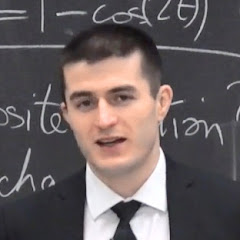
 Lex Fridman
GTA 6, Crime, Money, Prison Gangs & Biggest Jewelry Thief in US History | Lex Fridman Podcast #505
Lex Fridman
Opening Setup 0:00
Larry Lawton is introduced as a former jewelry thief who was caught by the FBI, served more than a decade in prison, and later turned his life toward helping at-risk youth. The talk opens on Grand Theft Auto 6, since the game is set in South Florida, where he worked. He says the setting feels strange and personal because he knows the area and the kinds of crimes it draws from. He also says the game makes him think about the details of robbery again, because that was his real work.
Casing A Store 3:31
He explains that a robbery depends on casing, which means watching a place closely before acting. That can take weeks. You need to know when the mail comes, when deliveries arrive, where the sun hits the windows, who works there, who lives nearby, and who passes by. He says you are not robbing technology. You are robbing people, and people follow habits. He also says jewelry jobs often involve strip malls, where a person can sit in a car and study the place without drawing notice.
Crime, Trust, And Prison 9:33
Lawton says the trailer he watched feels unrealistic because the place looks too open, too public, and too easy to enter. He says real crews work with tight circles of trust, and many people in a job would not know the fence, the middleman who turns stolen goods into cash. He talks about fences, diamonds, and the size of money in a theft. He also describes crooked cops in Miami, but says many cops are good and deserve respect. He then moves into prison life, saying he met major criminals there and learned that even hard men can have a good side. He refuses to judge people without knowing their past and says surviving dark places can teach you the most.
Word and line held 32:03
He says he refused to snitch even when offered two years in prison and a chance to keep six million dollars. His father’s lesson was simple: your word is all you have. In prison, he says, he looked at himself in a piece of stainless steel and wanted to respect the man looking back. He would rather face the sentence than live knowing his word was broken. He draws a line there and says everyone has one, though he will not judge another man’s.
Money was not enough 34:32
He knew for years that his life in crime was leading to prison or death, but he never expected to stop on his own. What kept him going was the rush from a robbery, not the money, power, women, cars, or boats. Jewelry made sense because it could be fenced for real value, while art could not. A standard Rolex brought about two grand, and he could move dozens at a time. Now money still matters, but it no longer drives him.
Coast Guard memories 39:30
He talks at length about the Coast Guard, the Mariel boatlift, and the violence around Cuba, including dead bodies, explosions, and the fear of being out at sea with young crews. He also says Scarface captured parts of Miami and the criminal world because the film drew on real events and real money moving through corrupt hands. Later he describes Russian ships, a Cuban gunboat, F-16s, and a destroyer, then shifts to prison life, chess, and the strain of the hole, where men could break and lose themselves.
First robbery setup 1:11:31
The first jewelry store robbery begins as a setup. The jeweler wants the insurance money, and the man gets the job through his New York bosses while working in South Florida. He cases the store, learns the timing, and sees that only one person will be inside. He knows where the back door is, where the valuable pieces sit, and when nobody will be around. He goes in with a gun, without a mask, and changes his look enough to avoid easy identification. When the clerk reaches for a gun, he jumps the counter, ties her up, grabs the goods in a pillowcase, and leaves in a minute or two.
Diamonds and prison currency 1:14:33
After the robbery, he takes the jewelry back to New York and keeps about 150,000 dollars for himself. That money makes him want to do it again, but he says New York is protected and not the place to rob. He then explains how the diamond trade works. Wholesalers keep loose stones in long boxes, often hidden in false drawers or floorboards. The most valuable goods for him were usually two-carat or smaller stones with high clarity and color. He also says he studied at the Gemological Institute of America, then turns to prison economics, where stamps replaced cigarettes as money and were used in bets, storekeeping, and street-to-street transfers.
Power, abuse, and survival 1:27:03
He describes how prison money worked like a market. A book of stamps had a fixed value, inflation changed that value over time, and people hid stacks of them in doors and walls. From there he moves into loan sharking, bars, and mob finance, where debt, taxes, and weakness could be turned into ownership. He then tells how he sued prison officials after being punished for masturbating alone in his cell during lockdown. The suit went against the attorney general, the Bureau of Prisons director, regional staff, the warden, and guards. He says prison abuse was worse than the fight itself. Being strapped down, beaten, and humiliated left him with no room for fear, only survival.
Prison damage and resistance 1:36:33
He says prison changed him in ways that were not physical. The abuse, the lawsuits, and going to the media made him more determined, not less. He compares the prison system to Abu Ghraib and says the United States locks up more people than any other country in pure numbers. He points to countries like Switzerland, Sweden, and Germany as places with lower crime, lower recidivism, and fewer prisoners. He argues that the system is built on policy that leads to corruption, and that private prisons profit from people staying inside.
The hole and its terror 1:48:30
He describes the hole as administrative segregation and says the uncertainty is worse when there is no set date. He stayed in the hole for 11 straight months after an investigation began, and during that time he was beaten, stripped, and left four-pointed on a gurney. He says the routine of count time, the cracked doors, and the constant threat of violence made sleep impossible. He also describes his friend Jack killing himself after saying he was checking out, and says that loss, along with isolation, pushed him toward the edge himself.
Why he let go 1:53:31
He says he once wrapped a sheet around his neck and was minutes from dying, but he stopped because he thought of his children and heard words he still cannot explain: that plans were waiting for him. He says hate nearly consumed him for years, especially toward the people who abused him. His cousin told him hate was killing him, and he came to understand that the men who hurt him were damaged themselves. He does not forgive them, but he refuses to let hate take over his mind. That, he says, is how he survived.
Prison hierarchy and violence 2:08:30
Security and administration sit under the warden, with captains, lieutenants, and guards below him. In Atlanta USP, there were 2,000 inmates, 880 serving life, and about 200 he says were true psychopaths. He describes murders over small slights: one man killed a cellmate for snoring, another cut off a head with a shank, and another burned a face with boiling oil and a Snicker bar. He also explains prison slang, including “punks,” and says he paid one to clean his cell and do laundry.
Tubbs and the hole 2:13:01
He says his unit manager, Ms. Tubbs, pushed him to rat on a cellmate after they caught 10 pounds of pasta. He refused and went into a rage, throwing a paper shredder, ripping a phone from the wall, and ending up in the SHU after guards surrounded him. He later learned that staff records marked him as someone who assaulted guards, which meant tighter restraints, black box handcuffs, belly chains, and long Con Air transfers. He also says Tubbs was later caught having sex with an inmate.
RICO, books, and diamonds 2:19:02
He says the FBI arrested him in the biggest jewelry ring case in U.S. history and wanted him to rat, but he chose not to, saying his word was all he had. He explains how federal cases work, how plea deals drive conviction rates, and how he beat parts of his own case by knowing the law. He then describes mob bookmaking, layoff betting, and the numbers game, before turning back to jewelry robbery: choose easy exits, blend in at plazas, use disguise and pillowcases, keep civilians safe, melt the jewels fast, and judge diamonds by cut, light, and proper tools.
Diamond buying advice 2:40:30
He explains how he judged diamonds by cut and light, and why cutters are paid so well. He warns that many buyers trust one salesman too much. His advice is to compare four sellers and use every recommendation you can get. He says diamonds are a major purchase, after a house and a car, but they are often sold with promises that sound like car sales. He also says the right size matters. On a petite woman, earrings should fit the person and not look gaudy.
Casing stores quietly 2:42:31
He describes watching people, cars, deliveries, mail, security, police shifts, and trash pickup before a robbery. One Florida store was hit because the owner always took the trash out before opening. He says he waited, heard the back door, rushed in, and finished fast because he knew the safe routine. He then tells how police finally caught him through plate numbers, cameras, and a task force led by FBI agent Matt Mullen. He says insurance companies pushed hard because the losses were so large.
Prison life and reform 2:48:00
He talks about the first years in prison as demeaning and disorienting. Strip searches, dry cells, bad food, and constant tension shape daily life. He says prisoners survive by reading rooms, staying alert, and finding food where they can, often ramen, peanut butter, or bought chicken. He lists major prison gangs, from Aryan Brotherhood and Mexican Mafia to Bloods and Crips, and says they have codes and outside networks. He ends by proposing surprise prison inspections, more accountability, lower phone costs, and programs that keep kids out of jail.
Policing through help 3:12:31
He says police should have tools that can help troubled kids before violence happens. He describes a video program officers can carry on a card with a QR code, so a chief can send it to a family or a child in trouble. He also praises the old Weed and Seed effort, where police and prosecutors cleared out drugs and gangs and then brought in support programs, but says funding cuts hurt it.
AI-generated summary. It can be wrong or incomplete - check anything that matters against the original.
