

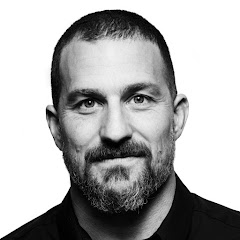
 Andrew Huberman
Essentials: Developing a Rational Approach to Supplementation for Health & Performance
Andrew Huberman
Supplementation in context 0:00
Behavior comes first, then nutrition, then supplements, and only after that prescription drugs. The point is not to find one pill that changes everything, but to think about where supplementation actually helps. A vitamin and mineral supplement can make sense if your food variety is limited, your activity is high, or your budget allows it. Take it with food to avoid stomach upset. The same test applies to sleep. If you sleep well, you may need nothing. If you do not, look first at caffeine, meal timing, exercise, and then at ingredients such as magnesium threonate, apigenin, myo-inositol, and theanine.
Hormones and focus 14:30
Before you reach for hormone supplements, diet and daily habits come first. Morning sunlight raises cortisol, which helps focus and immune function early in the day, while lower night cortisol supports growth hormone and testosterone later. Fadogia agrestis may raise libido, sperm production, testosterone, and sometimes estrogen, but it can be toxic at high doses, so stay within label ranges and cycle it. Tongkat ali can raise free testosterone by lowering sex hormone-binding globulin, often at 200 to 600 mg, and it may need 8 to 12 weeks before blood work. For focus, caffeine is a stimulant, while alpha-GPC and L-tyrosine act more through acetylcholine and dopamine.
Supplements and whole foods 29:30
Whey can help you reach protein targets, and potato protein may be a plant-based substitute. But food-mimic powders should not replace whole foods, which give you fiber, fullness, vitamins, minerals, and fatty acids that most replacements lack. For supplementation, single ingredients give you more control, help find minimal effective doses, and fit sleep, hormone, or cognitive goals.
AI-generated summary. It can be wrong or incomplete - check anything that matters against the original.
